Fastener Reference No. BB-2026 · Hollow-Wall Anchoring

The Butterfly Bolt,
Explained Properly

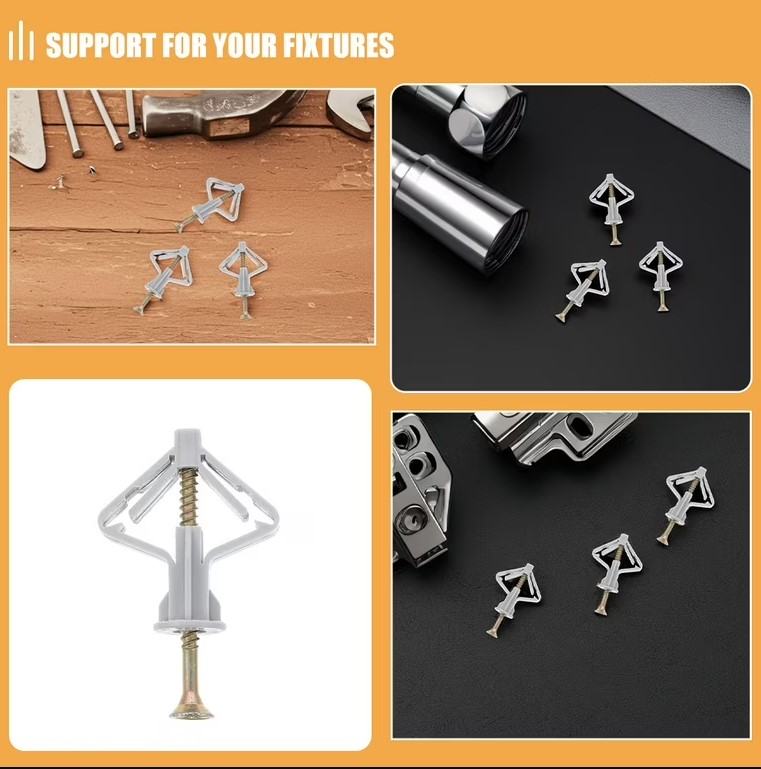
A butterfly bolt, also called a toggle bolt or butterfly anchor, is the fastener that lets you hang real weight on drywall, plaster or hollow block without a stud behind it. This page walks through how the wings work, what it is made from, how much it can carry and how to pick the right size before you order one.

Butterfly bolt toggle anchor with spring-loaded wings against a drywall cross-section

Bolt Diameter

1/8" – 1/2"

Length Range

Up to 6"

Base Materials

Drywall · Plaster · Block

Common Finish

Zinc · Stainless

01 · Foundations

About Butterfly Bolt

A butterfly bolt is a light-duty hollow-wall fastener built from two main parts, a spring-loaded pair of wings and a threaded machine screw. It exists to solve one very specific problem: how do you hang something heavy on a wall when there is no solid stud, joist or masonry directly behind the mounting point? Ordinary screws simply pull out of hollow drywall or plaster under load, so the butterfly bolt spreads the weight across a much wider area on the hidden side of the wall instead of relying on a single point of contact.

The name comes directly from its shape. When the two wings are folded flat against the shaft, the bolt slides through a drilled hole with ease. Once it clears the far side of the wall, a small internal spring snaps the wings outward into a shape that closely resembles an open butterfly, which is why the fastener is known by several interchangeable names across the hardware industry, including toggle bolt, butterfly anchor and spring toggle.

It is worth separating this wall-anchor style of butterfly bolt from a second, unrelated product that shares the same name: the wing bolt, sometimes called a butterfly screw or thumb screw. That is a hand-tightened fastener with two flat wings on its head, designed for tool-free assembly on tripods, RTA furniture and equipment panels rather than for anchoring into hollow walls. Both products get called a butterfly bolt in everyday conversation, so this guide covers the wall-anchoring toggle version in depth and explains the wing-screw variant separately in the types section below.

Where Butterfly Bolts Are Used

Because the anchor distributes weight rather than concentrating it, a butterfly bolt shows up anywhere a homeowner, electrician or installer needs to mount something onto a hollow surface. Typical jobs include hanging floating shelves, securing bathroom mirrors, mounting curtain rods and blinds, installing light fixtures and ceiling fans on plaster ceilings, fixing wall-mounted cabinets in kitchens and laundry rooms, attaching towel bars and grab-adjacent fixtures, and mounting gym equipment such as pull-up anchors or resistance band brackets to interior walls.

Butterfly Bolt vs. a Standard Wall Screw

A standard wood screw or drywall screw relies on friction against the thin paper and gypsum layers of the wall, which is only strong enough for lightweight picture frames. A butterfly bolt instead reaches through the wall cavity and locks against the back face of the drywall sheet itself, turning a thin, brittle surface into a load-bearing anchor point. This is the core reason butterfly bolts are specified whenever the item being hung exceeds a few pounds.
02 · Mechanism

Anatomy of a Butterfly Bolt

Every butterfly bolt is built from four working parts. Below is a labeled breakdown of the assembly followed by the five-step sequence that takes it from a folded, flat profile to a locked anchor point behind the wall.

WALL Machine screw head Pivot / threaded nut Spring-loaded wings Tension spring Bearing surface
01

Drill a pilot hole sized to the folded width of the wings, stated on the packaging.

02

Thread the wings onto the screw, fold them flat against the shaft, then feed the screw through the item being mounted.

03

Push the folded wings through the drilled hole until they pass completely behind the wall surface.

04

The internal spring snaps the wings open, and a light pull seats them flat against the hidden face of the wall.

05

Turn the screw clockwise until snug. The wings act as a wide bearing surface, spreading load across the wall.

03 · Advantages

Why Choose a Butterfly Bolt

There are several ways to anchor something into a hollow wall, from plastic expansion anchors to self-drilling drywall anchors to butterfly bolts. Here is what sets the butterfly bolt apart when the load matters.

A

Wider Weight Distribution

The open wings create a bearing surface many times larger than the drilled hole itself, so the load is spread across a broad patch of wall instead of concentrated at one point, reducing the risk of the anchor tearing free.

B

No Stud Required

Because it does not depend on hitting a wooden stud, a butterfly bolt can be placed exactly where the design calls for it, whether that is centered on a mirror or evenly spaced along a floating shelf bracket.

C

Higher Rated Capacity

Compared to plastic expansion anchors or self-drilling drywall anchors, heavy-duty butterfly bolts and snap-toggle variants generally hold significantly more weight in the same wall thickness.

D

Wide Size Range

Diameters commonly run from 1/8 inch up to 1/2 inch and lengths reach up to 6 inches, which covers everything from a light picture ledge to a heavy wall-mounted cabinet.

E

Corrosion-Resistant Options

Zinc-plated carbon steel covers most dry indoor jobs, while stainless steel grades such as SS304 and SS316 hold up in bathrooms, kitchens and other humid environments.

F

Low Cost for the Strength Gained

A butterfly bolt is inexpensive relative to the amount of extra holding power it delivers, which makes it the default recommendation whenever a hollow-wall mount needs to carry real weight.

04 · Product Range

Types of Butterfly Bolts and Wing Fasteners

Standard Toggle / Butterfly Anchor Bolts

This is the classic version described throughout this guide: two steel wings pivoting on a threaded nut, tensioned by a small wire spring, paired with a separate machine screw. It is a light to medium-duty, single-use anchor sized for drywall and hollow block, and it remains the most common butterfly bolt sold in hardware stores.

Snap-Toggle / Kaptoggle Heavy-Duty Anchors

A reinforced design with a strap that snaps off flush once the toggle is set, letting the installer add or remove the machine screw repeatedly afterward without losing the anchor inside the wall. This style is specified for cabinetry, heavier fixtures and commercial installations that need better holding power than a standard toggle.

Wing Bolts / Butterfly Screws (Thumb Screws)

A completely different product that shares the name: a threaded bolt with a winged head shaped for hand-tightening, with no wall-anchoring function at all. It is used on tripods, microphone stands, ready-to-assemble furniture and equipment panels where tool-free, repeatable adjustment matters more than raw clamping force. Common references include DIN316 and DIN318 standard dimensions.

Material Variants

Across both toggle-style and wing-screw-style butterfly bolts, you will find carbon steel with a zinc or blue-galvanized finish, stainless steel in grades SS201, SS304 and SS316, brass for decorative or corrosion-sensitive applications, and nylon or plastic-headed versions for lighter indoor tasks where a soft-touch grip is preferred.

05 · Buying Guide

How to Choose the Best Butterfly Bolt

Picking the right butterfly bolt comes down to six checks. Work through them in order and you will land on a size and finish that matches the job rather than guessing.

1

Identify the wall material

Confirm you are working with drywall, plaster, or hollow concrete block. Butterfly bolts are not appropriate for solid poured concrete or solid brick, where a sleeve or wedge anchor is the correct fastener instead.

2

Calculate the load weight

Add up the static weight of the item plus any reasonable extra stress, such as someone leaning on a shelf. Choose an anchor rated above that number, never right at the edge of its stated capacity.

3

Match diameter and length to wall thickness

The bolt must be long enough to pass through the material being mounted, the wall thickness, and still leave room for the wings to open fully on the other side. Undersized lengths prevent the wings from deploying correctly.

4

Choose the right finish

Zinc-plated carbon steel is fine for dry interior rooms. Bathrooms, kitchens, basements and any humid or outdoor-adjacent space call for stainless steel to avoid corrosion weakening the anchor over time.

5

Decide if reusability matters

If you expect to remove and reinstall the fixture later, a snap-toggle style anchor that stays in the wall is more convenient than a standard single-use toggle bolt.

6

Check local building guidance

For structural, safety-critical or ceiling-mounted installations, confirm the manufacturer's rated capacity and, where relevant, consult local building code or a qualified installer.

Interactive · Reference Only

Weight Capacity Estimator

A rough starting reference for planning purposes. Always confirm the exact rated capacity printed on your specific product packaging.

Select options above and click estimate.

06 · Build Quality

Build Materials and Quality Control

The material and manufacturing process behind a butterfly bolt determine how much load it can carry safely and how long it lasts in a given environment. Here is what to look for on the specification sheet.

Carbon Steel

The standard material for general-purpose butterfly bolts, typically finished with zinc plating or a blue galvanized coating to resist surface rust in normal indoor conditions. It offers strong holding power at a low price point, making it the default choice for dry interior rooms.

Stainless Steel (SS201 / SS304 / SS316)

SS304 is the common food-grade stainless used across most hardware, while SS316 adds molybdenum for superior resistance in marine or highly humid settings. SS201 is a lower-cost stainless alternative. All three outperform plain carbon steel in bathrooms, kitchens and coastal climates.

Brass and Nylon Variants

Brass butterfly bolts are chosen for corrosion resistance and appearance where the hardware is visible, while nylon or plastic-headed versions suit light-duty jobs where a softer grip or non-conductive material is preferred.

Manufacturing Classes

Industrial classification generally separates butterfly and wing-style nuts into cold-forged types for regular and light-duty use, hot-forged types for hard, high-strength applications, cast types offered in regular and heavy dimensional series, and embossed sheet-metal types for economical light-duty jobs.

Dimensional Standards

Reputable suppliers reference recognized dimensional standards such as DIN316 and DIN318 for wing-style heads, alongside broader fastener standards including ASTM, ASME, ISO, BS and JIS, which keep thread pitch, wing dimensions and load ratings consistent between manufacturers.

What Quality Control Should Verify

Before a batch ships, a quality check should confirm consistent thread engagement, correct spring tension in the wings so they open fully and reliably, plating or coating thickness for corrosion resistance, and dimensional accuracy against the stated diameter and length on the packaging.

07 · Reference Data

Common Butterfly Bolt Sizes at a Glance

Bolt Diameter Typical Length Typical Use General Duty Class
1/8 in2 – 3 inSmall picture ledges, light hooksLight duty
3/16 in2 – 4 inCurtain rods, small shelvesLight to medium duty
1/4 in3 – 4 inMirrors, light fixtures, towel barsMedium duty
5/16 in3 – 5 inMid-size shelving, cabinetsMedium to heavy duty
3/8 in4 – 5 inWall-mounted cabinets, TV mountsHeavy duty
1/2 in4 – 6 inLarge fixtures, gym anchorsHeavy duty

Figures are general industry ranges for reference. Always follow the rated capacity printed on the specific product you purchase.

08 · Field Guide

How to Install and Remove a Butterfly Bolt

Installing a Butterfly Bolt

  1. 01Drill a hole sized to the folded wing width, using a bit around 1/16 inch larger for especially dense material.
  2. 02Slide the screw through the item you are mounting, then thread on the wings.
  3. 03Fold the wings inward flat against the screw before inserting.
  4. 04Push the assembly through the hole until the wings fully clear the back of the wall and spring open.
  5. 05Pull back gently to seat the wings flat against the inside surface, keeping them from spinning as you tighten.
  6. 06Turn the screw clockwise with a screwdriver until firmly and evenly tightened.

Removing a Butterfly Bolt

  1. 01Locate the visible screw head on the front of the wall.
  2. 02Turn the screw counterclockwise with a screwdriver or drill until it loosens.
  3. 03Keep turning as the wings on the hidden side begin to retract or fold down.
  4. 04Once the screw is fully out, gently pull any remaining piece from the front of the wall.
  5. 05If the wings are stuck open behind the wall, use a flathead screwdriver or pliers to nudge them toward center.
  6. 06Patch the hole, and use a fresh anchor if reinstalling, since standard toggle wings are not reliably reusable.
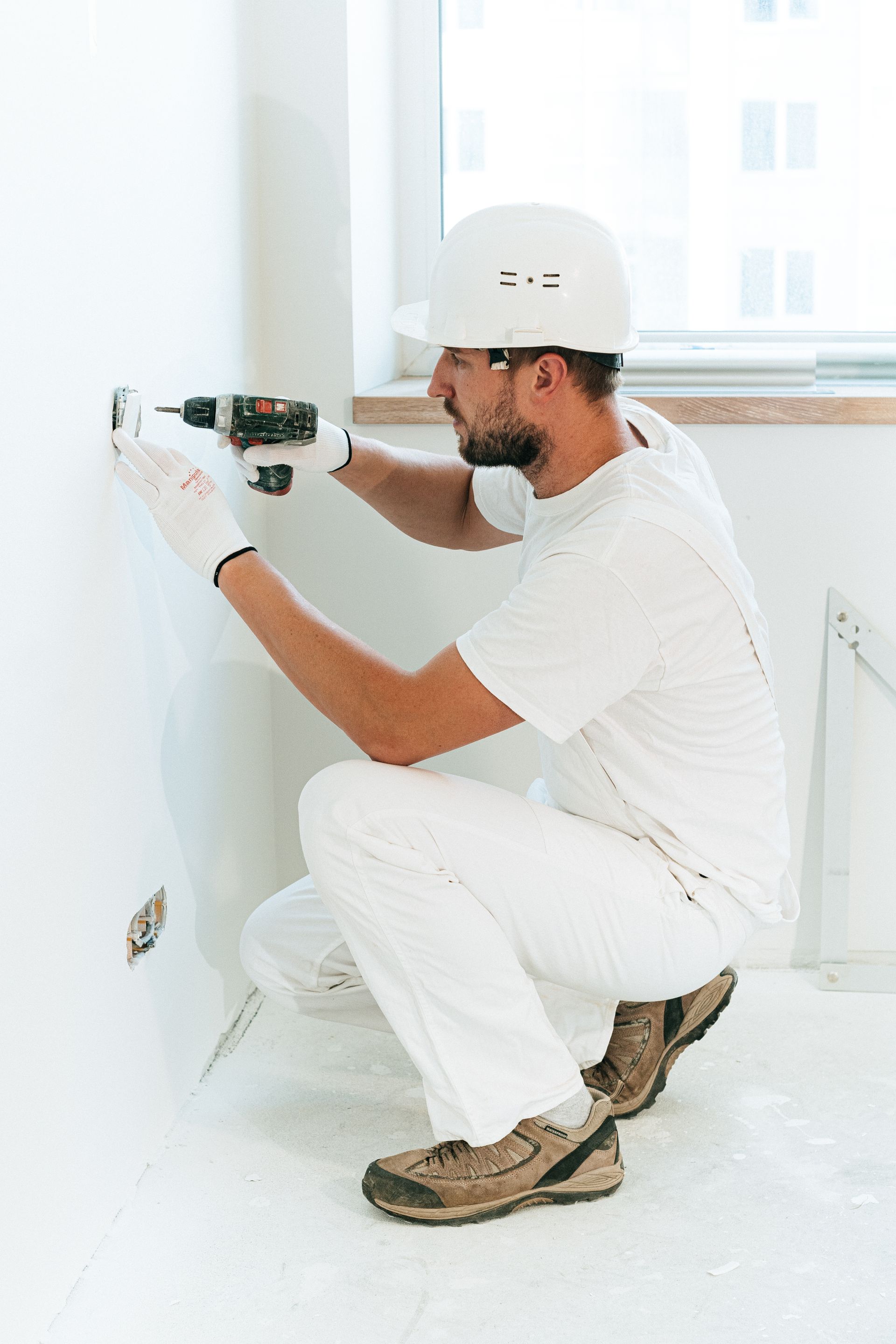
Person installing a butterfly bolt into drywall with a screwdriver

09 · Applications

Where You'll Find Butterfly Bolts at Work

Heavy duty butterfly bolt anchoring a wall-mounted cabinet bracket

Wall-mounted cabinets and shelving that need to bear consistent daily weight rely on heavy-duty butterfly bolts sized to the wall thickness.

Close up of stainless steel butterfly bolts and wing nuts on a workbench

Stainless steel butterfly bolts hold up in bathrooms, kitchens and other humid spaces where plain steel would eventually corrode.

10 · Frequently Asked Questions

Butterfly Bolt FAQs

What is a butterfly bolt used for? +

A butterfly bolt is used to hang items on hollow walls such as drywall, plaster and hollow block, where there is no wooden stud to screw into directly. It is commonly used for shelves, mirrors, curtain rods, light fixtures, TV mounts and cabinets.

Is a butterfly bolt the same as a toggle bolt? +

Yes. Butterfly bolt, toggle bolt and butterfly anchor are different names for the same style of hollow-wall fastener that uses spring-loaded wings to brace against the back of the wall.

What is the difference between a butterfly bolt and a wing nut? +

A toggle-style butterfly bolt is a wall anchor with folding spring wings for hollow walls, while a wing nut, sometimes also called a butterfly nut, is a hand-tightened nut with two flat wings used to pair with a standard bolt for tool-free assembly, unrelated to wall mounting.

How much weight can a butterfly bolt hold? +

Weight capacity depends on bolt diameter, wall thickness and wall material. Light-duty 1/8 inch butterfly bolts typically hold a few pounds, while heavy-duty 1/4 to 1/2 inch anchors in solid drywall can support well over 50 pounds when installed correctly. Always confirm the manufacturer's rated capacity before hanging heavy items.

Can butterfly bolts be reused after removal? +

Standard butterfly bolts are generally treated as single-use anchors because the wings stay open behind the wall once installed. If you remove the screw, the wings usually drop inside the wall cavity and a new anchor is needed for reinstallation.

What size drill bit do I need for a butterfly bolt? +

The drill bit size should match the folded width of the wings as stated on the packaging, usually between 1/2 inch and 1 inch depending on the bolt size. In dense material, drilling the hole roughly 1/16 inch larger makes insertion easier.

Are stainless steel butterfly bolts worth the extra cost? +

Stainless steel butterfly bolts cost more than carbon steel but resist rust and corrosion far better, which matters in bathrooms, kitchens, outdoor areas and humid climates. For dry indoor use, zinc-plated carbon steel is usually sufficient.

Can I use a butterfly bolt on concrete or masonry? +

Standard butterfly bolts are designed for hollow materials like drywall, plaster and hollow block, not solid concrete. For solid masonry or concrete, a sleeve anchor, wedge anchor or masonry screw is the correct choice instead.

What is the difference between DIN316 and DIN318 wing bolts? +

DIN316 and DIN318 are European standards for wing-head thumb screws that define the head shape, wing dimensions and thread specifications, allowing wing bolts from different manufacturers to be dimensionally interchangeable.

Ready When You Are

Found the right size? Compare current listings.

Shop Now →